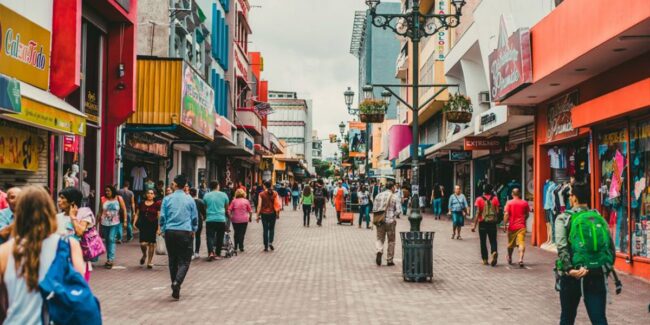
San Jose
In San Jose, the capital of Costa Rica, we will visit the National History Museum and National Park before wrapping up the program with a farewell dinner.

In San Jose, the capital of Costa Rica, we will visit the National History Museum and National Park before wrapping up the program with a farewell dinner.

We will visit la Reserva Playa Tortuga, a research center for sea turtle and environmental conservation, and we visit the Marina Ballena National Park, a favored place to observe humpback whales and dolphins.
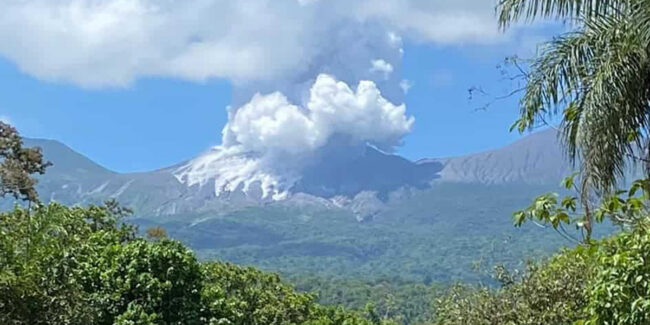
During our stay we will visit Rincon de la Vieja National Park, home to an active volcano, and Cañon de la Vieja, to explore its volcanic mud, hot springs, and wildlife. We also visit the UCR Liberia Campus.

We visit the Palo Verde National Park and Research Station. The park is one of the most biodiverse areas in Costa Rica.
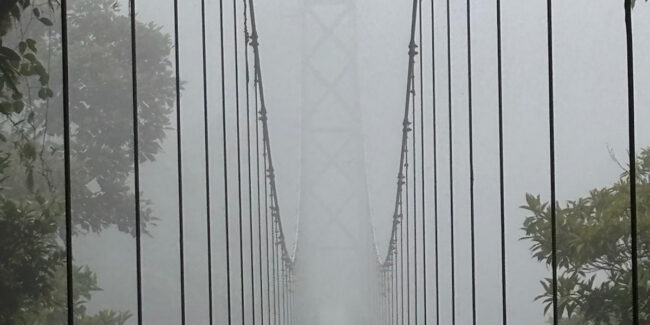
In Monteverde, we visit the Cloud Forest Reserve, where we will hike through the reserve and over the hanging bridges, and we visit the nearby town of Santa Elena.
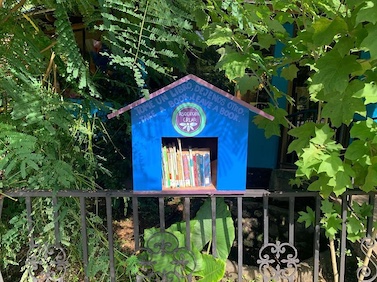
Samara Nestled in the beautiful center of Playa Sámara, students will engage in community service with CREAR’s innovative programs focused on creative and artistic expression, English/Spanish language development, education, socio-cultural responsibility and women’s empowerment.
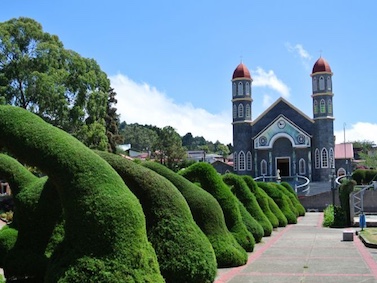
Zarcero Travel to the picturesque views of coffee plantations in Zarcero. Taste coffee and learn about the history of the Iglesia de San Rafael and the famous topiary garden designed by Don Evangelista Blanco in 1964 in the park Francisco Alvarado.
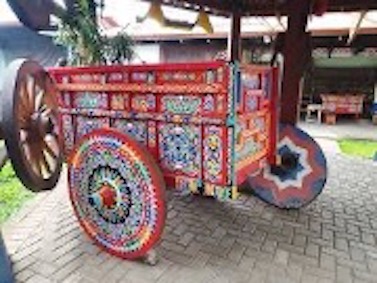
Sarchi A key artisan town in Costa Rica, Sarchí is best known for their colorful and famous oxcarts that are handcrafted there and found everywhere in Costa Rica. Learn more about artisanship and design while visiting.

Waterfall Hike A local guide leads us on a hike through his private land to a beautiful cascade tumbling out of the cloud forest into a crystal-clear pool several hundred feet below. The hike is long and strenuous, but bring your swimsuit!
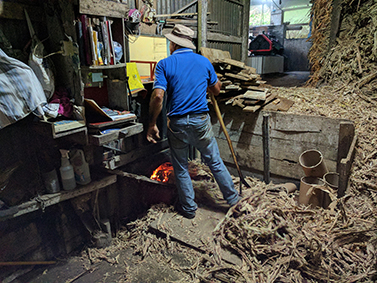
Trapiche Trapiches, or sugarcane processing plants, dot the Costa Rican countryside and are deeply integrated into the national and local economies. Learn about Costa Rican history as you see each step of the process—and taste the sweet results!
"*" indicates required fields