

None. All courses are taught in English.
Dorm/Hotel, 2 people per room.
Mandatory orientation on Saturday, April 10, 2027 in Bowling Green, KY. See Orientation for more information.
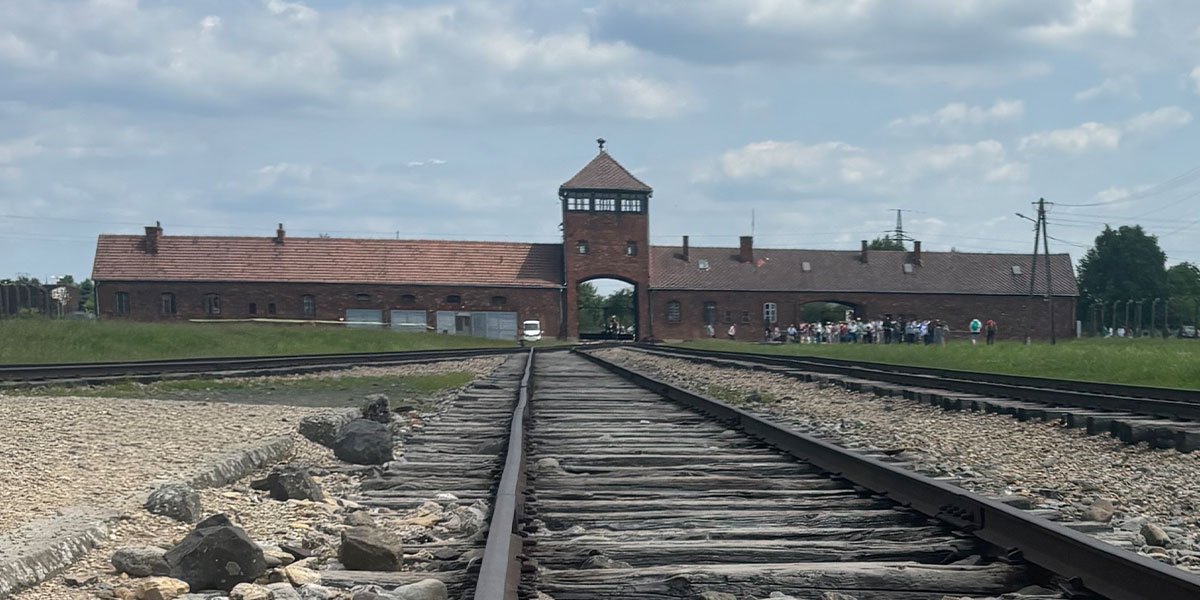
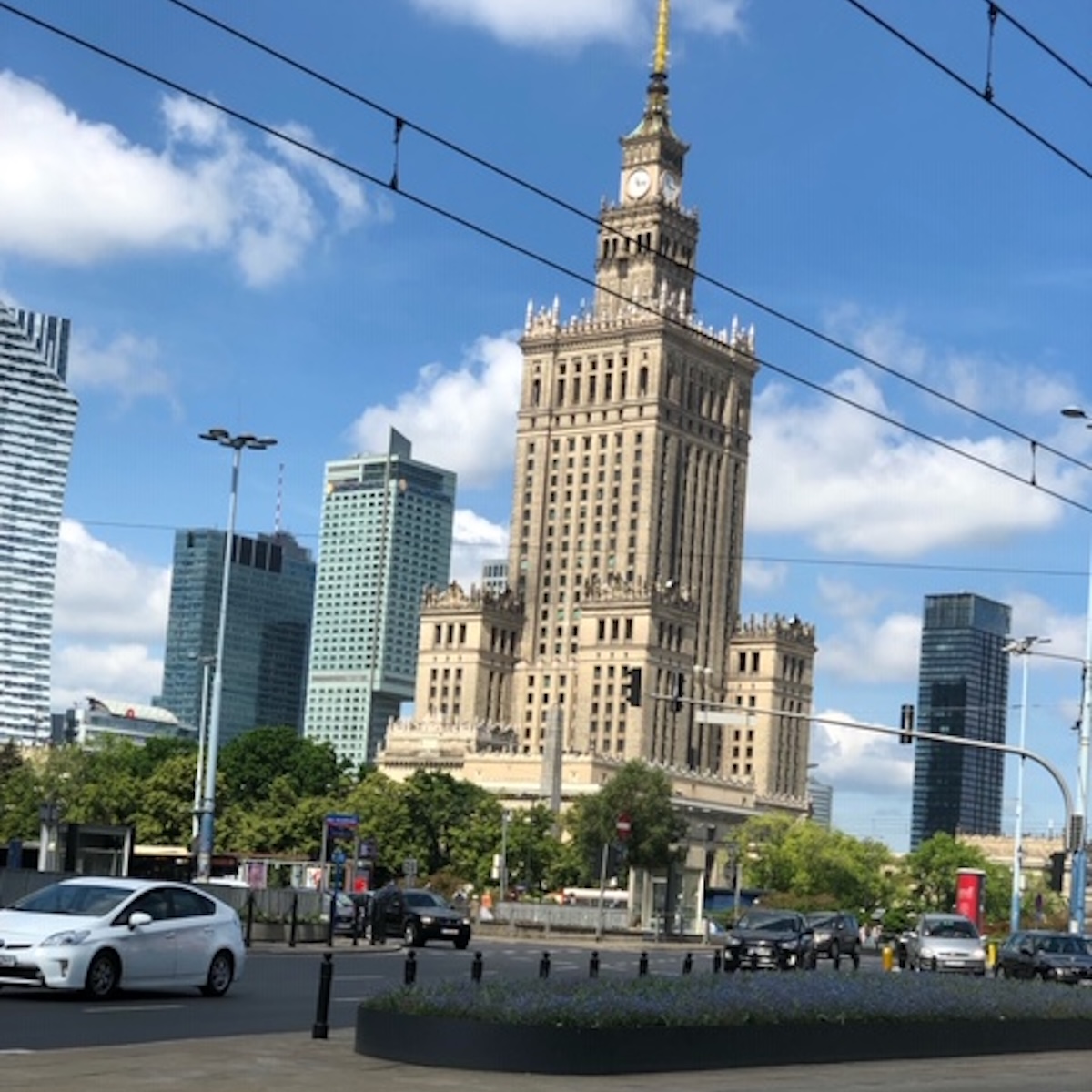
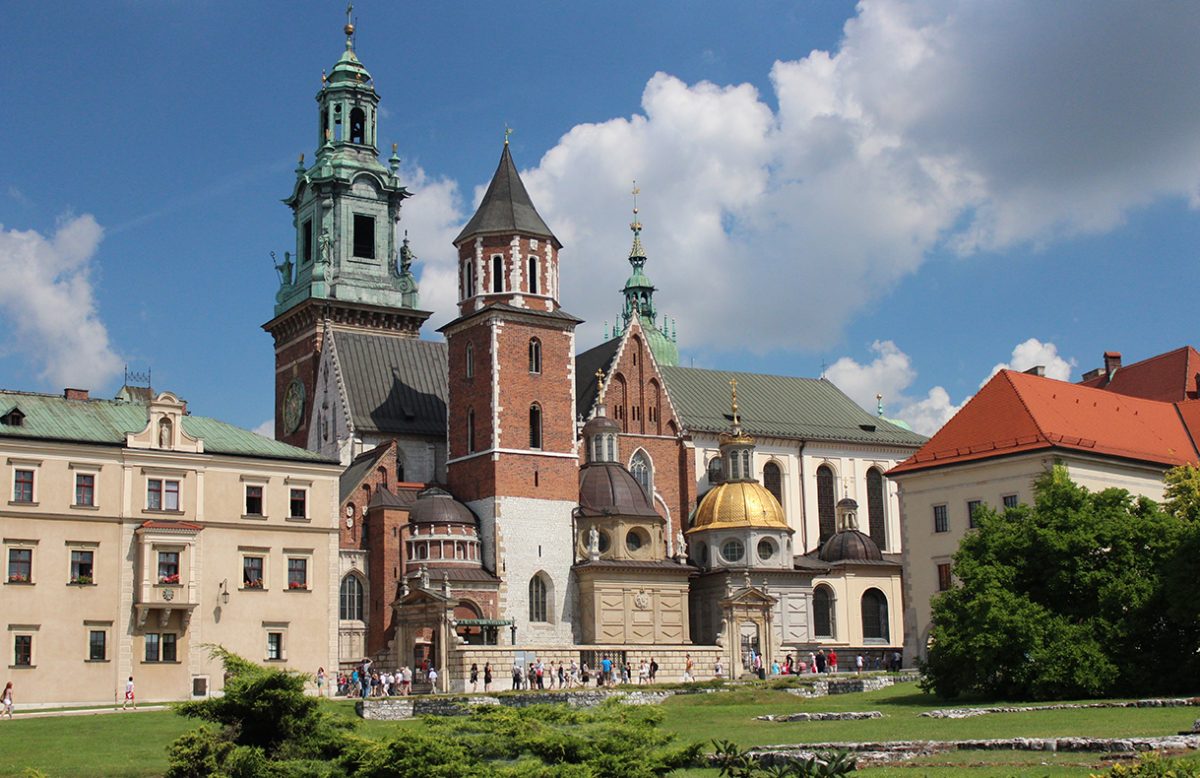
Based in Poland, the KIIS Slavic Europe program introduces students to the history and culture of Poland and Eastern Europe. Despite numerous wars and invasions, the modern capital city of Warsaw and the medieval city of Krakow have preserved their architectural and cultural heritage. Classes make use of local museums, cafes and national institutions. Students will visit castles and fortress ruins, and explore smaller towns & villages. All students will take part in a group excursion to the Nazi Death Camps at Auschwitz.
Note: Studying abroad likely is more physically strenuous than you are used to at home. KIIS study abroad programs typically involve approx. 5-10 miles of walking (approx. 10,000-20,000 steps) or the like in a day, including the possibility of walking, hiking, and climbing stairs in heat and humidity, over elevations at higher altitudes, and over rocky terrain. See Health & Wellness for more information.
 My parents were refugees from Ukraine, and I was raised in a Ukrainian and Polish community, learning to speak both languages. I directed my first study abroad program in 1991. I have researched battlefield archaeology, historical memory, and public history. Through KIIS, I can share my academic expertise while students develop their own understanding of the past as they explore the historical landscapes that surround them.
Courses are taught in English and are 3 credit hours. You may enroll in 1 course.
All KIIS course credit is awarded by Western Kentucky University. Prior to your KIIS program, please speak with your home campus academic advisor and/or study abroad office to determine course equivalencies. Grades will be transferred to your home institution in mid-August after the completion of the program. Course offerings are subject to change according to enrollment. For more information, visit Transcripts & Grades.

Earn up to 3 Credit Hours
Group Flight (Optional)
Airport Transfers in Poland
Accommodations
Daily Breakfast
Groups Excursions & Transport
Medical Insurance
Security Evacuation Protection
Program Director & Faculty on-site 24/7
To help you budget, keep in mind that you are responsible for the cost of obtaining a passport ($165), two meals per day + personal expenses (approx. $200-$500 depending on your food tastes/spending habits), any class readings/materials, and any fees from your college/university.
Although KIIS tries to foresee all possible expenses in formulating program fees, please note that dramatic fluctuations in foreign currency valuations and/or airline surcharges may affect the total cost of the program.
The KIIS Slavic Europe program offers a group flight option where you can travel to/from your program location with other students and faculty. If you choose this option, KIIS will purchase a round-trip flight ticket for you. The flight cost will be added to your final program fee on April 1. The Slavic Europe group flight will depart from Cincinnati or Louisville.
If not selecting the group flight, you are responsible to purchase your individual flight ticket.
Flights from the USA to Warsaw, Poland are typically overnight flights, arriving the following morning. Visit Flights and Passports & Visas for more information.
"*" indicates required fields